Koshas - the layers of our body
Started on November 21, 2025
Updated on November 25, 2025
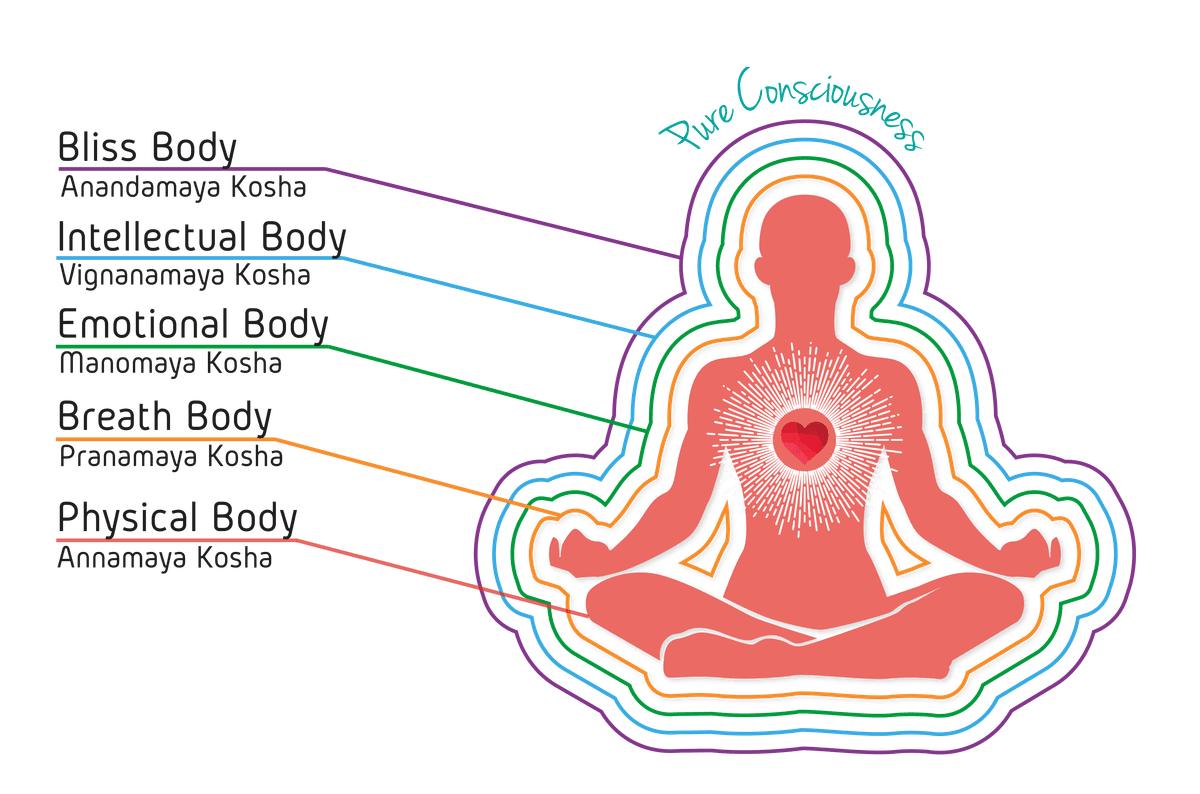
Kosha means "sheath" or "layer" in sanskrit. The koshas are five layers that make up our being, moving from gross (physical) to subtle (energetic/spiritual). They're like nested containers, each one more refined than the last.
| Kosha in Sanskrit (from dense to all-pervasive) |
Meaning in English & Philosophy |
|---|---|
| Annamaya Kosha | "food sheath." our flesh, bones, muscles. the densest layer. what we can see and touch. |
| Pranamaya Kosha | "breath sheath." our prana, life force, energetic flow. includes breath, circulation, the subtle energy moving through us. |
| Manomaya Kosha | "mind sheath." our thoughts, emotions, mental patterns. the reactive mind, the storyteller. |
| Vijnanamaya Kosha | "intellect sheath." our discernment, deeper knowing, intuition. where we witness rather than react. |
| Anandamaya Kosha | "bliss sheath." our most subtle layer. pure consciousness, joy, connection to the eternal. |
> My thoughts on how we depict Koshas
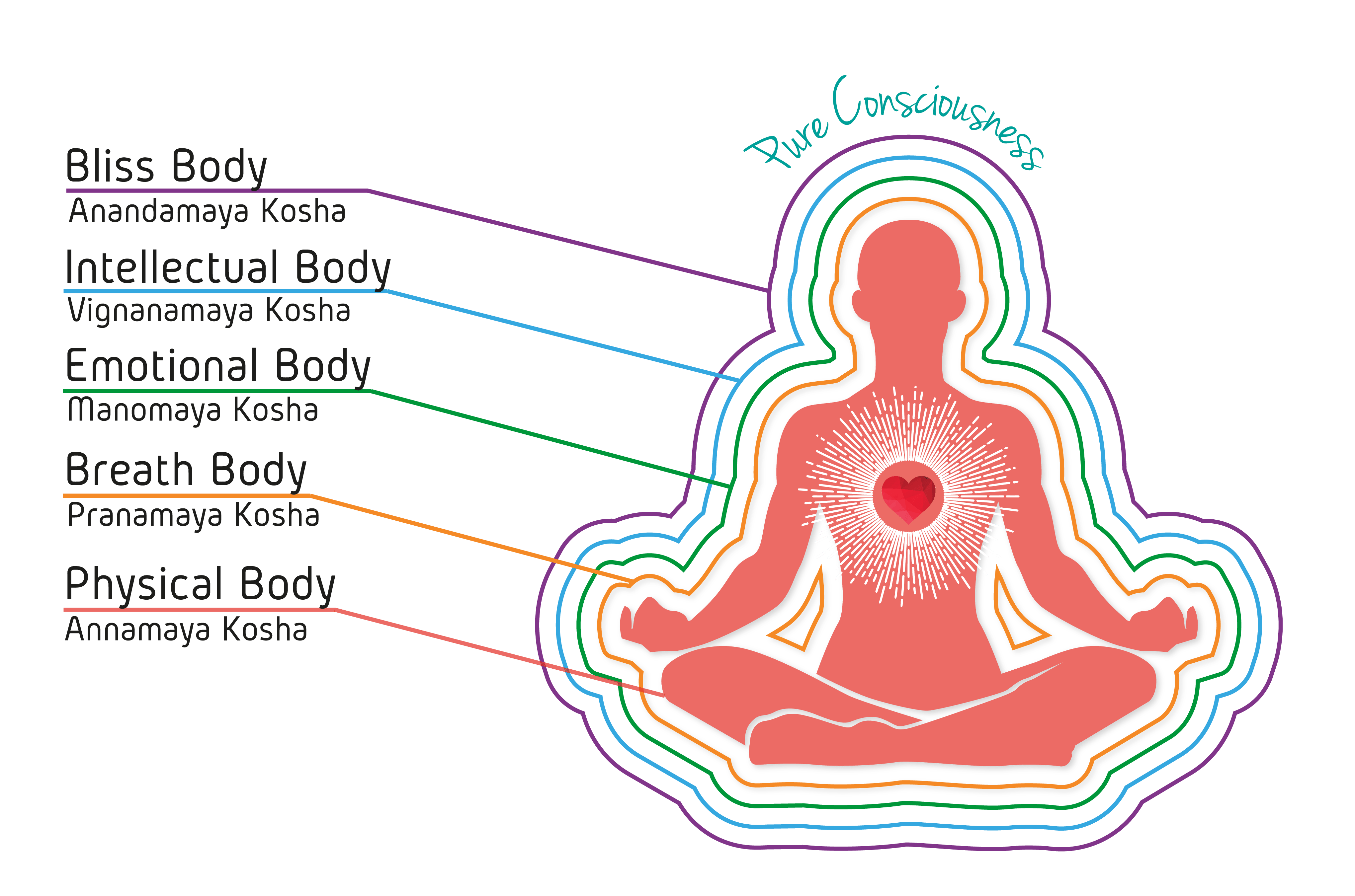
I feel that it is most intuitive to depict the physical layer as the smallest (densest layer). Hwoever, most depiction depict the layers as in the image below.
While I see the purpose of depiction below in the sense that it helps us to understand the practice of "peeling away layers," it doesn't align with my intuitive understand of how I feel in my body.
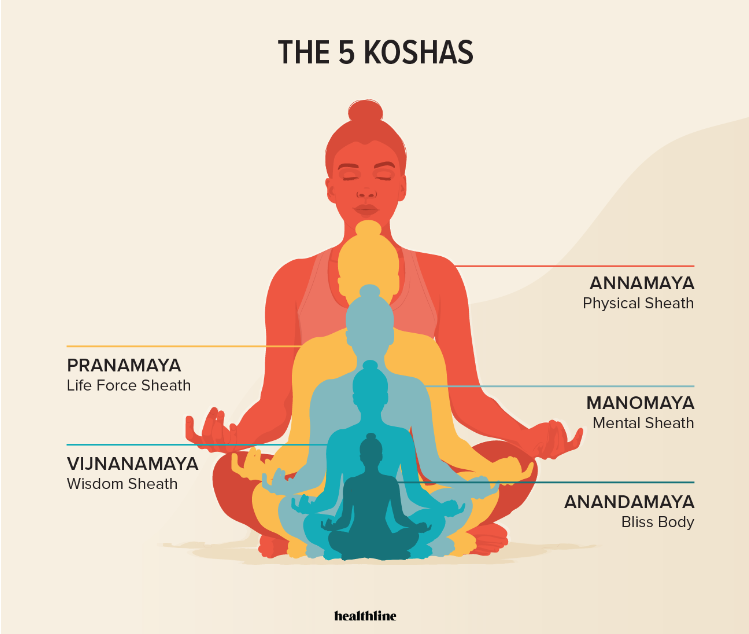
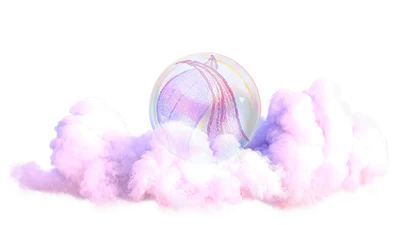
Why I argue that we should depict the Koshas as depicted in the first image on this web page:
If consciousness is all-pervasive and primary, how could it be covered by anything? The annamaya kosha (physical body) isn't the largest container - it's the most contracted crystallization of awareness. The anandamaya kosha (bliss body) isn't small and hidden - it's vast and pervasive, interpenetrating the denser layers. The physical body is where consciousness meets the most resistance, becomes most defined and bounded.
> Two practices for each Kosha
annamaya (physical):
- asana practice (moving the body)
- mindful eating (awareness of food as medicine)
pranamaya (energy):
- pranayama (breath work)
- walking in nature (feeling life force in the world)
manomaya (mental):
- meditation (observing thoughts)
- journaling (processing emotions)
vijnanamaya (wisdom):
- svadhyaya (self-study, reading philosophy)
- sitting with difficult questions (cultivating discernment)
anandamaya (bliss):
- yoga nidra (deep relaxation)
- gratitude practice (connecting to joy)
Related marbles
- McGilchrist on consciousness and matter - explores how matter might be intrinsically conscious rather than consciousness emerging from unconscious matter
- A visual metaphor for sensing our world and feeling the whole reality - how form is part of experience but our whole reality extends beyond it
- Spiritual transformation - transformation of separate ego-identities into recognition of interconnected awareness
- If we are present, we know what to do - connecting to embodied knowledge and deeper forms of being
[1] https://fity.club/lists/e/experience-the-5-koshas-through-yoga-nidra/